
Navigating the Risks of Downloading TP Wallet: A Comprehensive Analysis

In the realm of digital assets, downloading a mobile wallet like TP is often accompanied by a blend of excitement and caution. For crypto enthusiasts, wallets serve not only as repositories of wealth but also as gateways to an expansive ecosystem of financial opportunities. However, lurking within this excitement lies a shadowy underbelly of risks, chief among them being phishing attacks. In 2022 alone, phishing accounted for over 30% of all cryptocurrency thefts, according to cybersecurity firm Chainalysis. Users must remain vigilant, employing double authentication and avoiding unofficial downloads to protect their assets from sinister schemes.
Transaction speed presents another formidable factor, particularly as the cryptocurrency market intensifies. A delay of mere seconds can spiral into significant losses; Bitcoin, for instance, has faced moments where transaction speeds escalated beyond normal thresholds during high-traffic occurrences. The TP Wallet is designed to streamline these processes, but its efficiency hinges on network congestion and the underlying blockchain technology. Recent advancements boast high-speed processing, yet potential users must weigh whether their experience aligns with claims of lightning-speed transactions.
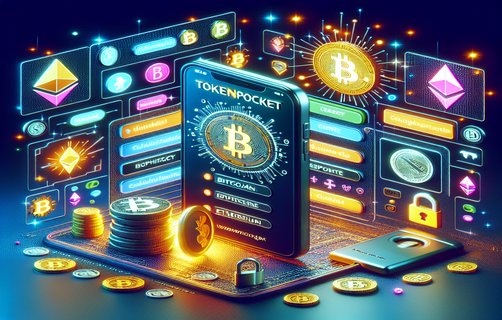
Moreover, the capacity for real-time payments could redefine financial interactions. The World Economic Forum suggests that integrating seamless crypto transactions may eventually streamline business operations to unprecedented levels. With TP Wallet's capacity for immediate payment processing, merchants and consumers alike are compelled to consider how this impacts their day-to-day dealings. Does the allure of instant transactions correlate with an increased tendency for carelessness in asset management? It's a question that demands scrutiny as the lines between convenience and complacency blur.
Asset classification is yet another layer to this multifaceted analysis. The classification of digital assets influences not just how they are viewed in terms of taxation and regulation, but also impacts users' perceptions of security. With the multifarious nature of cryptocurrencies—from Bitcoin to stablecoins—TP Wallet users must navigate a labyrinth of classifications that offer various levels of risk and reward. Understanding these nuances empowers users to strategically optimize their portfolios and fortify their defenses against market volatility.
Finally, looking toward the horizon, new technological pathways beckon. The integration of hash cash—a system that requires proof of computational work—has potential implications for TP Wallet's structure. It raises the question: will future wallets require sophisticated mechanisms to validate transactions and ensure user security? As cryptographic methods evolve, so too must the developers of digital wallets. The future landscape will undoubtedly be shaped by those willing to stay ahead of the curve, blending innovation with security.
Education and continual engagement remain pivotal, fostering a community that prioritizes both advancement and protection. As we conclude this exploration, how prepared are you to navigate the ever-shifting terrain of digital asset management? Are the responsibilities of using such technology a price you’re willing to pay?
How does your experience with digital wallets influence your investment strategy? Are you equipped with the right knowledge to protect your assets? As technology progresses, what features do you believe will be essential in future wallet designs?
评论
CryptoLover
这篇文章很有启发性,风险分析做得非常到位!
Techie123
深入浅出的分析,特别喜欢对交易速度的探讨!
小明说
希望未来的数字钱包能更安全!
InvestorAI
对资产分类的讨论非常有意义,值得关注!
AliceW
前瞻性的技术路径真的值得期待!
未来武器
文章很好,我也有很多数字资产,得小心了!